
Watch what happens when a customer enters your store with ten minutes to spare. They walk straight to what they need and grab it and check out. Five minutes total. They never saw the complementary items nearby. They missed the new arrivals display. They walked past products they would have loved if they had noticed them.
Now imagine that same customer stops at an interactive screen near the entrance. A simple game catches their eye. They play for three minutes whilst their shopping companion finishes browsing. During those three minutes they see products featured in the game. They laugh at something unexpected. They feel entertained.
When they finish playing they feel good about being in your store. They browse for another ten minutes with genuine interest. They discover items they came in wanting. They leave having spent more and enjoyed the experience.
Interactive games on digital displays change customer behaviour completely. Games slow people down naturally and create positive associations with your store and guide attention to specific products. The engagement translates directly to increased basket values and improved customer satisfaction.
Understanding Quick Shopping Behaviour
Online shopping trains people for speed. Click and buy and done. They bring this mindset to physical stores expecting quick in and out visits with minimal browsing.
Stores designed for efficiency work against dwell time. Clear aisles and obvious product placement and everything optimised for fast shopping. Customers find what they came for and leave immediately.
Mobile phones create constant distraction. Customers check messages whilst shopping and compare prices online and their attention stays fragmented. They never fully engage with your store environment.
Traditional displays blend together in customer perception. Shoppers develop banner blindness for promotional materials and the store becomes background noise they filter out automatically.
What Interactive Games Actually Achieve
Games demand attention naturally. Someone walking past a screen showing an interactive game stops and watches others play and wants to try it themselves. The game breaks their shopping autopilot.
Playing takes time. Someone engaged with a game stays in that area for several minutes and remains in your store longer. Every additional minute increases purchase probability measurably.
Games create positive emotions. Entertainment makes people feel good and they associate those positive feelings with your store. The emotional state affects buying decisions favourably.
Strategic placement guides customers to products. Put games near displays you want to promote and players spend time in those specific areas. They notice products around them and discovery happens naturally.
Enhanced Customer Experience
The game transforms waiting from frustrating to enjoyable. Customers in checkout queues play whilst they wait. The time passes quickly because they are entertained. They arrive at the till in good moods.
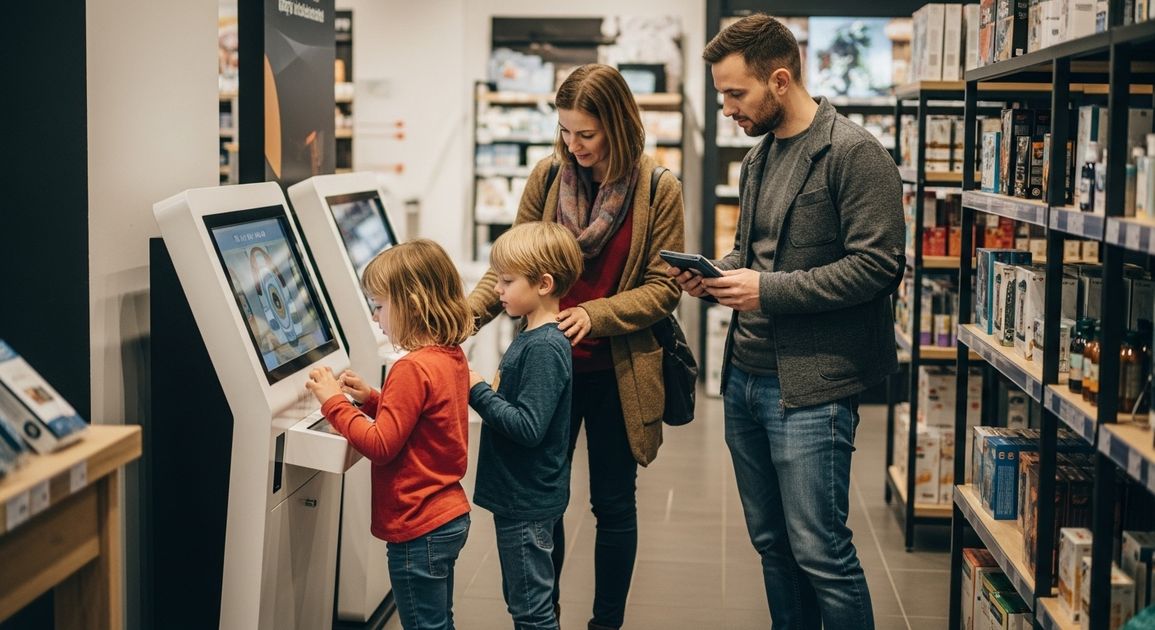
Families benefit enormously. Children stay occupied whilst parents shop. A child engaged with a game means a relaxed parent who can browse properly. The entire shopping trip becomes more pleasant for everyone.
The entertainment creates memorable moments. Customers photograph themselves playing games. They share scores with companions. They talk about the experience later. Your store becomes the one with the fun shopping environment.
Shopping stress decreases when customers feel entertained. The game provides a mental break from decision fatigue. They return to browsing refreshed and more open to purchases.
Couples shop more harmoniously. One person browses clothing whilst the other plays a game nearby. They take turns without the tension of one person waiting impatiently. The shared positive experience improves their overall perception.
Game Formats for Retail Environments
Product quiz games educate whilst entertaining. Questions about product features and challenges related to your merchandise. Players learn about items they might not have considered and the game functions as soft selling.
A home improvement store created a quiz about DIY projects. Customers answered questions about tools and materials needed for common jobs. They discovered products they needed and learned how to use them. Sales in the featured categories increased because customers left feeling more confident about their projects.
Spin to win discount games drive immediate purchases. Play the game and win a percentage off and redeem it today. The time pressure converts browsers into buyers.
Memory matching games featuring your products increase brand recall. Players see product images repeatedly and the visual exposure strengthens recognition. They remember your offerings later when making purchase decisions.
Leaderboard competitions create return visits. Top scorer each week wins a prize and customers come back to check standings. Each return is another shopping opportunity.
Technical Implementation
Large touchscreens work best for retail. Forty three inch minimum because customers need to see the game from a distance. Small displays get ignored in busy retail environments.
Placement determines effectiveness. High traffic areas near key products and end of aisles and checkout queues and waiting areas. Put games where people naturally pause.
The game must load instantly. Retail customers have zero patience for delays. Any loading time means they walk away. The interaction needs to be immediate.
Content changes regularly. The same game for months becomes invisible to repeat customers. Rotate games seasonally and update based on current promotions. Fresh content maintains effectiveness.
Sound management matters in retail spaces. Games in stores need volume control. Too loud annoys shoppers and too quiet gets ignored. Background music volume affects the balance.
Measuring Impact
Track dwell time in game areas. Compare time spent near interactive displays versus standard displays and the difference shows engagement value clearly.
Monitor sales of products near game installations. See whether revenue increases for items positioned around interactive areas and the uplift demonstrates commercial impact.
Count game interactions. How many people play and what times see most activity and which games get replayed. Usage data guides content decisions.
Survey customers about their experience. Did they notice the games and did they enjoy playing and would they mention it to others. Direct feedback reveals perceived value.
Watch customer flow patterns. See whether games successfully redirect traffic to specific areas and the behaviour changes show whether strategic placement works.
Customer satisfaction scores often improve after game installation. People rate their shopping experience higher when they felt entertained. The positive emotion colours their entire perception of your store.
Common Implementation Challenges
Installing games without staff training creates problems. Employees need to understand the system and handle technical issues and encourage participation when appropriate.
Placing screens poorly wastes investment. Hidden in corners and blocked by fixtures and uncomfortable to reach. Location determines whether customers engage.
Choosing overly complex games reduces participation. Retail customers want immediate gratification and long tutorials kill engagement. The game must be obvious within seconds.
Forgetting maintenance damages credibility. Broken screens and crashed software and outdated content. Technical problems reflect poorly on your store.
Ignoring accessibility excludes customers. Some people have disabilities and games must accommodate different abilities. Accessible design expands your engaged audience.
Integration with Store Operations
Link games to loyalty programmes. Players earn points and unlock rewards and the game reinforces your retention system naturally.
Use games for data collection. Voluntary participation means willing information exchange. Email capture for prize draws and preferences shared for personalised offers.
Connect gameplay to promotions. Win a discount on featured products and unlock special offers through high scores. The game drives specific commercial outcomes.
Enable social sharing from games. Let players post scores and share achievements. Each share extends your marketing reach organically.
Where This Approach Thrives
High traffic stores benefit most. More customers mean more potential game players and volume justifies the investment.
Stores with waiting areas need games. Checkout queues and service counters and anywhere customers stand around. Games transform dead time into engagement and improve the waiting experience.
Products requiring consideration suit game enhanced environments. Electronics and furniture and anything where customers deliberate before buying. Games keep them in store during decision making.
Younger demographics embrace interactive retail. Stores targeting families and tech focused retailers and fashion brands appealing to digital natives. These customers expect interactive experiences.
Alternative Approaches for Different Contexts
Small shops with limited space face challenges. Games need room and customers need space to play without blocking aisles. Cramped environments make implementation difficult.
Very quick transaction businesses see less benefit. Convenience stores and grab and go locations. Customers want speed and games slow them down when speed is the core value proposition.
Luxury retail might find games feel mismatched with their atmosphere. Some brands cultivate specific aesthetics and digital games need careful consideration for certain brand positioning.
Choosing Your Approach
Ask whether customers currently spend enough time in your store. If dwell time is already good then games solve a challenge you might not have.
Consider your customer demographics. Will your specific shoppers engage with games. Age matters and shopping purpose matters. Match tactics to actual customer behaviour.
Think about your store layout. Do you have suitable locations for game displays and can customers play without disrupting traffic flow. Physical space determines feasibility.
Evaluate products you sell. Do they benefit from extended consideration time and will slowing customers down increase basket values. The product mix affects game effectiveness.
Retail stores face genuine competition from online shopping. Physical locations need advantages over digital experiences and interactive games provide something websites cannot replicate.
The technology is proven and implementation is straightforward and results are measurable. For stores with the right customer mix and traffic patterns games deliver increases in both dwell time and purchases.
Your store currently relies on product displays and pricing to drive sales. Games add an engagement layer that changes how customers experience your space. The increased time and positive emotions translate to commercial outcomes that show up in your sales data. More importantly customers enjoy their shopping experience more and that enjoyment brings them back.