
# Virtual Event Engagement: Keep Online Audiences Active and Involved
Five hundred people register for your virtual event and three hundred attend the opening session and one hundred and fifty remain active by lunch and only fifty actually engage with content beyond passive watching.
This happens because virtual events demand sustained focus whilst people sit at computers already full of distractions. Email notifications appear constantly and Slack messages arrive and other work beckons. The event competes with everything else demanding attention in that moment.
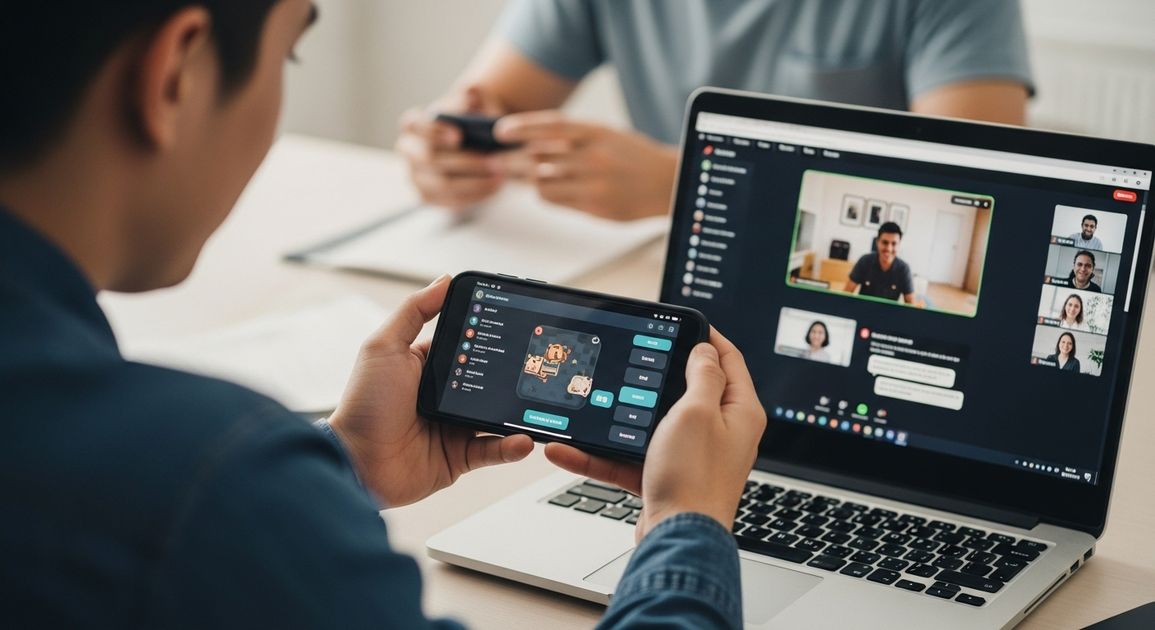
Interactive games break this pattern completely. They require active participation and create moments where people must engage properly and give remote attendees compelling reasons to stay focused beyond passive listening.
Understanding Why Virtual Audiences Drift
Physical events naturally hold attention. You sit in a room and walking out feels conspicuous and social pressure keeps you present. Your phone stays in your pocket and distractions stay minimal.
Virtual events provide no such natural constraints. Leaving means closing a tab and nobody notices. You can appear present whilst doing completely different work. The temptation to multitask becomes overwhelming for most people.
Presentations that work brilliantly live can struggle virtually. A speaker commanding a room loses impact through a webcam and body language disappears and energy flattens. The same content that captivates in person can feel tedious on screen.
Long sessions guarantee attention loss over time. Thirty minutes of presentation followed by forty five minutes of panel discussion followed by an hour of workshops. People cannot maintain focus through these durations virtually and their attention degrades steadily.
What Interactive Games Actually Achieve
Games demand active participation. Someone cannot play whilst checking email and they must focus on the screen and respond to challenges. This active engagement fights the natural drift.
The break from passive listening matters enormously. Hours of presentations exhaust people and a ten minute game resets attention completely. People return to subsequent content more focused and the energy shift is measurable.
Games create social connection in virtual spaces. People compete and compare scores and discuss strategies in chat. These interactions build the community feeling that virtual events struggle to create.
Attendees remember events with interactive elements. Generic virtual conferences blur together in memory. The one with the clever game stands out and people talk about it afterwards. The memorable moment creates lasting impression.
Game Formats for Virtual Events
Quick knowledge quizzes fit between sessions perfectly. Five to ten questions about content just presented and it takes three minutes and tests retention and creates friendly competition. Everyone can participate simultaneously.
A technology conference ran quizzes after each presentation. Questions covered key points from the talk and top scorers got recognition in chat. Attendance stayed 40% higher throughout the day compared to their previous virtual event.
Icebreaker games at event start build community early. Simple challenges that everyone completes and people share results in chat. Attendees feel connected before content begins and the social foundation makes later networking easier.
Scavenger hunts work brilliantly across long events. Release clues throughout the day and attendees search event platform for answers. This keeps people exploring content and maintains engagement during breaks and creates ongoing participation beyond scheduled sessions.
Team challenges during networking breaks generate real interaction. Assign random groups and give them a collaborative task and force actual conversation. Virtual networking struggles when people just stare at each other and shared objectives create natural interaction.
Strategic Timing
Use games strategically during natural energy dips. After long presentations and following lunch breaks and during traditional low engagement periods. Games work best as attention rescue tools.
Morning sessions typically need less interactive support. People arrive fresh and attention starts high. Save games for afternoon when focus fades naturally. Strategic placement makes them more effective.
Multi day events need games distributed carefully across the schedule. One game per half day prevents fatigue. Too many games become tedious and too few fail to maintain engagement. Three to five interactive moments per day hits the sweet spot.
Game length must match context. Between sessions allows three to five minutes and dedicated breaks permit ten to fifteen minutes. Match duration to available time. Overrunning schedule damages credibility.
Technical Requirements
Browser based games work best for virtual events. No downloads and no installations and attendees click a link and game loads immediately. Any friction in access means people skip participation.
Mobile compatibility is essential. Many attendees watch events on laptops and play games on phones. The game must work flawlessly on small screens. Poor mobile experience excludes significant portions of your audience.
Simultaneous participation matters for energy. Everyone plays at once and chat fills with reactions and collective experience creates event momentum. Staggered individual play lacks this social energy.
Real time leaderboards drive engagement. People see their ranking immediately and know how they compare. Competitive instinct keeps them trying and delayed scoring kills excitement.
Integration with event platform reduces friction. Games accessible directly through the platform interface and no leaving to visit external sites. Seamless experience maintains flow.
Lead Capture Through Games
Games provide natural lead qualification. Track which attendees participate actively and see who engages repeatedly. Flag high engagement individuals for sales follow up and this data reveals genuine interest.
Quiz performance indicates knowledge level. High scorers understand your space deeply and represent sophisticated prospects. Low scorers might need education. Segment follow up based on demonstrated expertise.
Game choices reveal interests. Offer multiple game options and track which ones each person selects. Someone choosing advanced technical challenges differs from someone picking industry trivia. Route leads accordingly.
Competition entry justifies collecting additional information. Want to win the prize and provide company size and role. This voluntary data exchange feels natural in gaming context and qualification happens through play.
Common Implementation Pitfalls
Making games too complex kills participation. Virtual attendees lack patience for lengthy instructions and the game must be immediately obvious. Thirty seconds to understand or people abandon it.
Making participation mandatory creates resentment. Some attendees prefer passive consumption. Let games be optional and the people who engage will do so enthusiastically.
Failing to explain the purpose confuses people. Tell them why you included a game and frame it as attention reset and position it as networking tool. Context makes participation feel worthwhile.
Technical problems destroy credibility. Test games thoroughly before the event and have backup plans ready. A broken game creates worse impression than no game. Smooth execution matters enormously.
Ignoring accessibility excludes participants. Some attendees have disabilities and games must work with screen readers. Colour schemes need sufficient contrast. Accessible design expands your engaged audience.
Measuring Effectiveness
Track participation rates. How many attendees play each game. Good games capture 50% to 80% of live audience. Lower numbers suggest poor timing or complex mechanics.
Monitor attention metrics before and after games. Session attendance typically drops over time. Measure whether games slow this decline. Compare events with games to previous events without and the difference shows impact.
Survey attendees about experience. Ask what they remember and see if games get mentioned. Request feedback on engagement level. Post event data reveals whether games improved overall experience.
Watch chat activity around games. Active discussion indicates strong engagement and silent participation suggests games work less well. Chat volume serves as real time feedback on effectiveness.
Where This Approach Works Best
Long virtual events need interactive elements. Anything over three hours benefits from games. Sustained attention requires active participation moments and games provide these effectively.
Large audiences justify development investment. Five hundred attendees playing means the per attendee engagement cost becomes trivial. Small intimate events need simpler approaches.
Technical audiences often appreciate games. Engineers enjoy challenges and developers like competitions. Know your audience. Some crowds embrace interactive elements enthusiastically.
Regular event series spread costs effectively. Monthly webinars and quarterly conferences and annual summits. Recurring events reuse games and development investment pays returns repeatedly.
Alternative Approaches for Different Contexts
Short events under two hours rarely need games. Attention spans hold for brief periods and keeping things simple works better.
Small audiences under fifty people benefit from direct interaction. Breakout discussions and live Q&A and personal attention works better than games at small scale. Save games for crowds where individual interaction becomes impossible.
Very formal professional contexts might prefer traditional approaches. Legal conferences and medical symposiums and academic gatherings. Some environments favour established formats and reading your audience matters.
Choosing Your Approach
Look at whether your virtual events struggle with engagement. Review attendance drop off rates and session participation metrics. If people stay engaged naturally then games add unnecessary complexity.
Consider your audience demographics. Younger crowds typically embrace games and older professional audiences sometimes have different preferences. Your specific attendees determine appropriate tactics.
Think about your event goals. Pure information delivery needs different tools than community building. Lead generation wants qualification mechanics. Match tactics to objectives.
Virtual event engagement presents real challenges. Remote audiences drift away constantly and traditional presentation formats lose them quickly. Interactive games fight this attention decay actively.
Games supplement good programming and create engagement moments when attention naturally fades. They give people compelling reasons to stay present throughout long virtual sessions.
Your virtual events likely need some form of active participation elements. Whether that means full custom games or simpler interactive tools depends on your specific situation. The key is recognising that passive consumption struggles virtually. People need reasons to engage actively and games provide those reasons effectively when implemented thoughtfully.