
Our Blog
Insights on web development, AI systems, and digital innovation from the Batch Binary team.

How to Build a Real-Time Business Dashboard That Shows What Matters
Business dashboards become useful when they show current information about metrics that drive your actual decisions. Here's how to build dashboards that update in real time and display what genuinely matters.
Read more →

Mobile-Ready Web Apps Without App Store Costs
Native mobile apps require separate iOS and Android development plus ongoing app store fees. Progressive web apps give you mobile functionality through browsers without those costs.
Read more →

Custom Development Without Ripping Out Your Current Systems
You don't need to replace your CRM, accounting software or operations platform to improve how they work together. Custom development can connect your existing systems and fill gaps without forcing you to start from scratch.
Read more →

Empathic Design: Building Software Your Staff Actually Want to Use
Technical correctness means nothing if your staff won't use it. We explain our empathic design methodology and why building software people actually want to use matters more than ticking feature boxes.
Read more →

5 Quick Database Improvements You Can Implement This Month
Not every business improvement requires custom software and months of development. These five changes use tools you already have and take days not months to implement.
Read more →

When Your Business Process Needs Its Own Application
Your team exports data from System A, manipulates it in spreadsheets and imports it to System B. Everyone accepts this because that's just how things work here. Sometimes it shouldn't.
Read more →

How to Get a Low-Cost Software Prototype and Why It Matters
Software prototypes let you test ideas before committing large budgets. Building minimal versions proves concepts cheaply. Small development teams deliver prototypes faster at lower cost than large agencies.
Read more →

Fast Game Deployment: From Concept to Live in Days
Ready-made games with your branding go live within days. Custom games take weeks but deliver exactly what you need. The choice depends on urgency versus specificity requirements.
Read more →
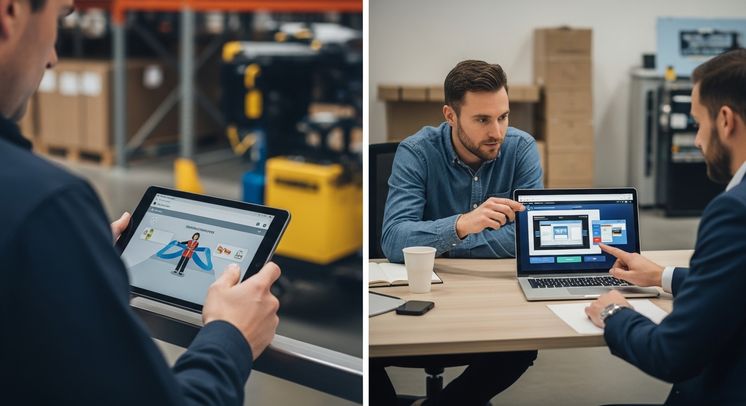
Games for Training and Sales: What Actually Works
Game-based training gets completed more than traditional e-learning. Knowledge sticks better when tested later. Sales teams close deals faster when prospects experience products interactively rather than watching presentations.
Read more →

Interactive Demos: Why Online Games Beat Traditional Sales Content
Interactive game experiences let prospects actually use your product in a simulated environment. People retain 75% of what they experience compared to just 10% of what they read.
Read more →

Custom Web Application Development: Timeline and Project Phases Explained
Custom web application development follows predictable phases. Understanding the process helps you plan appropriately and know what to expect at each stage. Most projects take two to six months depending on complexity.
Read more →

5 Signs Your Business Needs Custom Software (And What Happens Next)
Businesses outgrow standard software at different points. Recognising when that happens prevents wasted time on inadequate tools. The signs are clear once you know what to look for.
Read more →

B2B Product Demos: Interactive Experiences That Close Enterprise Deals
Enterprise sales teams present to multiple stakeholders. Slide decks bore people. Videos get skipped. Interactive product demos let prospects explore capabilities themselves and build confidence in their buying decision.
Read more →

Corporate Training Games: Make Learning Stick with Interactive Content
Employees sit through training presentations and forget most of it within days. Interactive training games create experiences people remember. The knowledge actually sticks when learning happens through doing.
Read more →

Retail Store Games: Increase Dwell Time and Purchase Intent
Customers walk through stores quickly. They browse without buying. They leave within minutes. Interactive games on digital displays slow them down and create engagement that leads to purchases.
Read more →

Hotel In-Room Entertainment: Interactive Games for Guest Satisfaction
Hotel guests scroll through limited TV channels. They stare at their phones. They get bored in rooms between activities. In-room tablet games create engagement that improves satisfaction scores.
Read more →
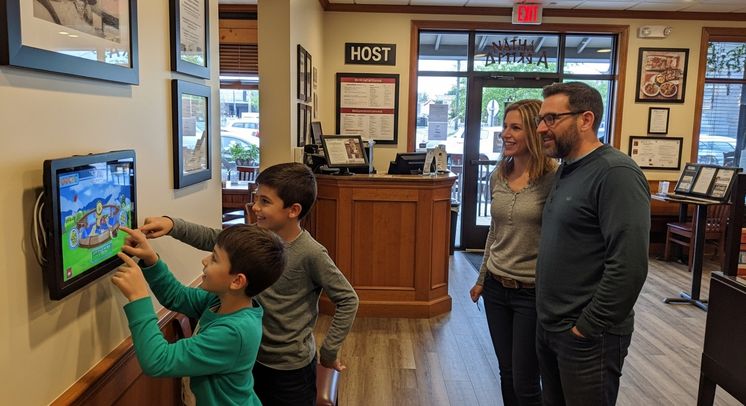
Restaurant Waiting Games: Turn Wait Time into Positive Experience
Customers waiting for tables get frustrated. They check their phones. They complain to staff. They leave negative reviews mentioning wait times. Tablet games transform this dead time into engagement that improves satisfaction scores.
Read more →
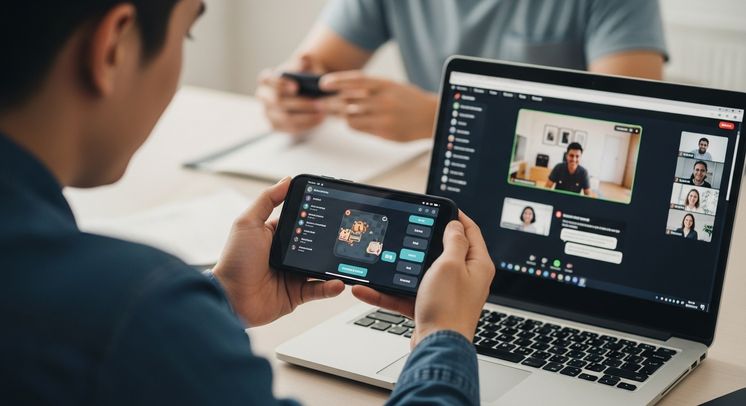
Virtual Event Engagement: Keep Online Audiences Active and Involved
Virtual event attendees check their phones within minutes. They open other tabs. They pretend to listen whilst doing other work. Interactive games create actual engagement when attention naturally drifts.
Read more →

Where Advergames Actually Work: Websites, Apps, and Everything Else
Web games work on websites and mobile apps. If you need them on tablets at events, digital signage in stores, or embedded in messaging platforms, that works too. One game runs everywhere without rebuilding it for each platform.
Read more →

Game Reskinning: Fast, Affordable Branded Games for Your Campaign
Custom game development takes months and costs tens of thousands. Reskinning existing games takes weeks and costs a fraction. You get a branded game that works. Your campaign launches on time.
Read more →

Lead Generation Games That Convert: From Player to Prospect
Marketing games that generate leads fail when they prioritise entertainment over qualification. The best lead generation games make registration feel natural and capture data that actually matters for sales.
Read more →
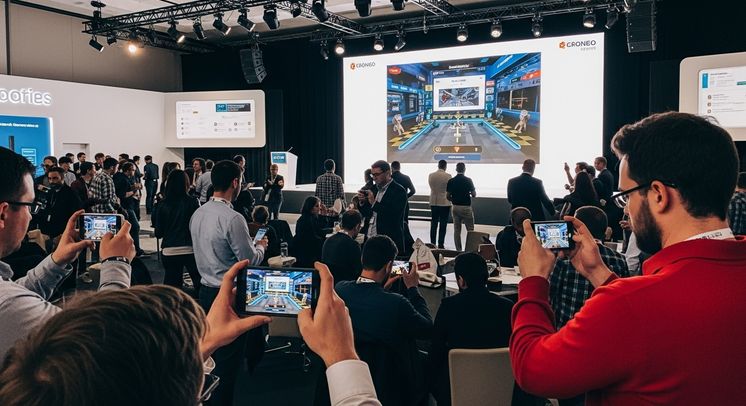
Branded Games for Product Launches: Make Your Campaign Memorable
Product launches blend into noise. Everyone emails. Everyone posts on social media. Everyone promises their product changes everything. Custom branded games cut through because people actually want to engage with them.
Read more →
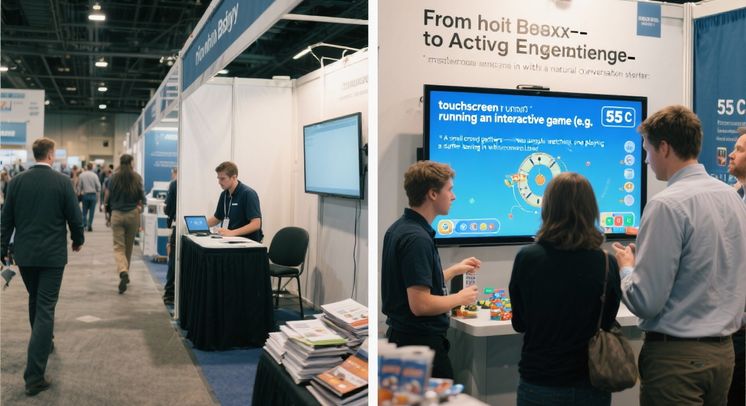
Trade Show Games: Attract More Visitors and Capture Qualified Leads
Your trade show booth competes with hundreds of others. Custom games stop people walking past. They engage prospects long enough to qualify them properly. The leads you capture actually convert.
Read more →

The ROI of Game-Based Staff Training: Real Numbers from Real Business
Finance directors need numbers. Training games cost money upfront. Here are the actual figures from companies that made the investment and tracked what happened next.
Read more →

Starting Small: Testing Games Before Full Investment
You do not need to build a custom game immediately. Test whether games work for your audience first. Small pilots reveal whether larger investment makes sense.
Read more →

RAG and Vector Search: Making Your Business Documents Searchable with AI
Your company has thousands of documents. Finding specific information takes hours. People email colleagues asking questions already answered somewhere in the files. Vector search and RAG systems solve this.
Read more →

Educational Game Design: The Psychology Behind Engagement and Learning
Educational games work when they align with how brains actually process information. Understanding the psychology behind engagement and retention makes the difference between games people play once and training that changes behaviour.
Read more →
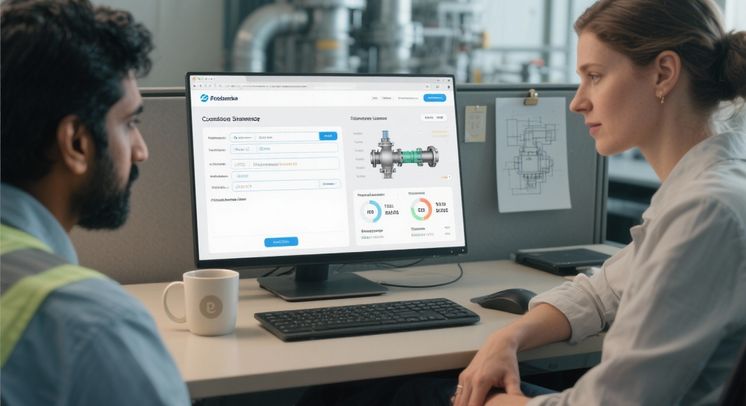
Browser-Based Product Simulators: Let Customers Experience Before Buying
Expensive products create a trust problem. Customers want proof your product works for their situation before committing. Virtual simulators provide that proof without requiring physical trials.
Read more →
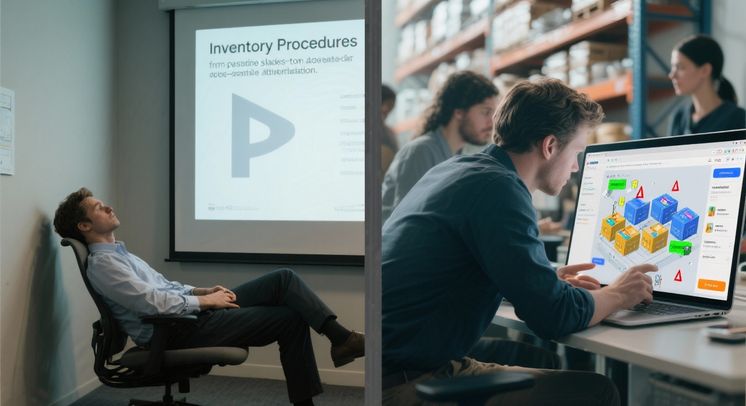
From Boring Training to Interactive Learning: Custom Educational Games
Your training slides put people to sleep. Custom educational games make them actually learn. The difference shows up in performance metrics weeks after onboarding ends.
Read more →
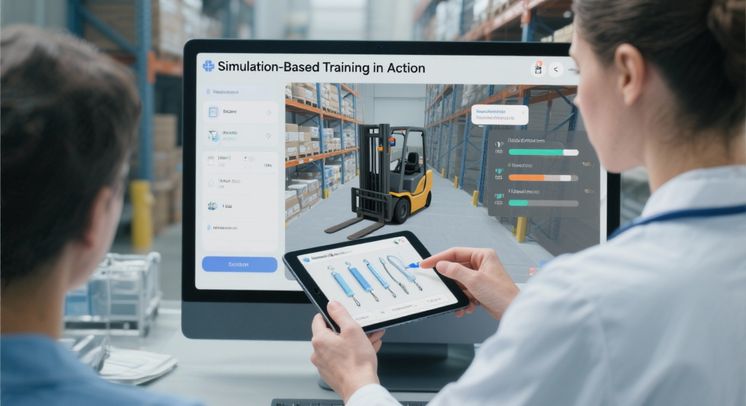
Gamification for B2B: When Game Mechanics Improve Business Outcomes
Game mechanics in business processes can drive measurable improvements in employee engagement and operational outcomes. Most gamification fails because companies apply game elements to problems that do not need them.
Read more →

Why Your Complex Product Needs an Interactive Explainer Instead of Another PDF
Nobody reads your technical documentation. They download it. They file it away. They never open it again. Interactive explainers get used because people actually want to engage with them.
Read more →

B2B Sales Tools: Interactive Demos That Close Deals Faster
Traditional sales presentations talk at prospects. Interactive demos let them experience your product directly. One approach closes deals. The other just fills meeting time.
Read more →

Game Marketing ROI: What It Costs and What You Get Back
Marketing directors need numbers. Games cost more than landing pages but convert better. Whether the investment makes sense depends on your lead values and how you measure return.
Read more →

Lead Capture Through Web Games: What Data You Actually Get
Web games capture leads by asking for contact details before people play or after they finish. The data exports to a spreadsheet or connects directly to your CRM so you see who played, how long they spent, whether they finished and what score they got.
Read more →
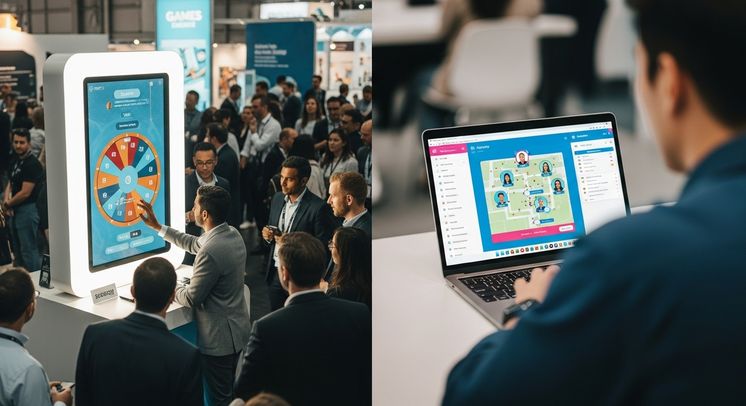
Games for Events: Trade Shows and Virtual Conferences
Event marketers face the same problem whether running trade shows or virtual conferences. You need people to stop, pay attention, and actually engage. Custom browser games solve this by creating active participation that stands out in crowded exhibition halls and breaks through screen fatigue online.
Read more →

Why Advergames Work: Custom Browser Games That Explain Your Products and Engage Your Team
Marketing managers struggle to explain complex products. Traditional materials put people to sleep. Custom browser games turn product education into something people actually want to do. They work for external marketing and they train your team faster than any manual could.
Read more →